01Active Research
Global Fragility Index
Structural stress detection
Identifies macro-level structural stress, systemic instability, and the environments where fragility is rising.
J. Ryan Kersey · Founder & Intelligence Lead
Second Order Dynamics
Signal • Response • Equilibrium
ζ = 1
Most systems react to signal.
We operate on consequence.
Second Order Dynamics surfaces the hidden structure beneath events—mapping how actions propagate, collide, and stabilize.
Because the real risk is never the event.
It’s what follows.
Platform Architecture
Second Order Dynamics is organized as a coordinated intelligence stack. The portfolio moves from structural stress and scenario pressure into event emergence, actor identification, individual behavior, narrative shaping, timing windows, and final decision support.
From structural stress, to event emergence, to the people inside the event, to the behavior of the individual, to decision support.
Layer 01
Defines where stress is building, how instability is likely to propagate, and which timing windows matter before visible escalation.
Structural stress detection
Identifies macro-level structural stress, systemic instability, and the environments where fragility is rising.
Second-order pathway modeling
Models likely second-order effects, cascade paths, and consequence chains before they fully unfold.
Timing and anomaly analysis
Identifies timing patterns, anomaly windows, and pre-event signatures that tighten monitoring and action windows.
Layer 02
Moves from structural context into event emergence, resolving locations, entities, actors, and adjacent networks while the situation is still forming.
Event emergence detection
Detects and organizes emerging events, locations, entities, and signal patterns in real time or near-real time.
Actor and orbit resolution
Identifies the people inside the event, the relevant actors, and the individuals in their orbit who may matter most.
Layer 03
Examines the human terrain inside the event: motives, incentives, behavioral tendencies, and the narratives shaping perception around them.
Individual behavioral analysis
Analyzes behavior, incentives, motives, influence, decision patterns, and likely responses at the individual human layer.
Narrative shaping analysis
Tracks how events are being framed, amplified, or shaped through messaging, narrative, and perception.
Layer 04
Synthesizes the full analytical stack into actionable decision-support output that can be used before consequences harden.
Decision-support synthesis
Functions as the final synthesis layer, translating the rest of the workflow into decision-support output.
Featured Insight
April 19, 2026
April 19, 2026 — Retrospective on Feb 28, 2026 Strike Initiation
A retrospective on how six independent observable channels converged to produce a 2–4 hour precision window on the February 28, 2026 strike initiation — and why the same methodology now applies to the current ceasefire fragility.
Read full analysisPortfolio At A Glance
Active Research
GFI is the entry layer for the portfolio. It surfaces structural stress, systemic instability, and fragile geographies before the system fails in public view.
View projectActive Research
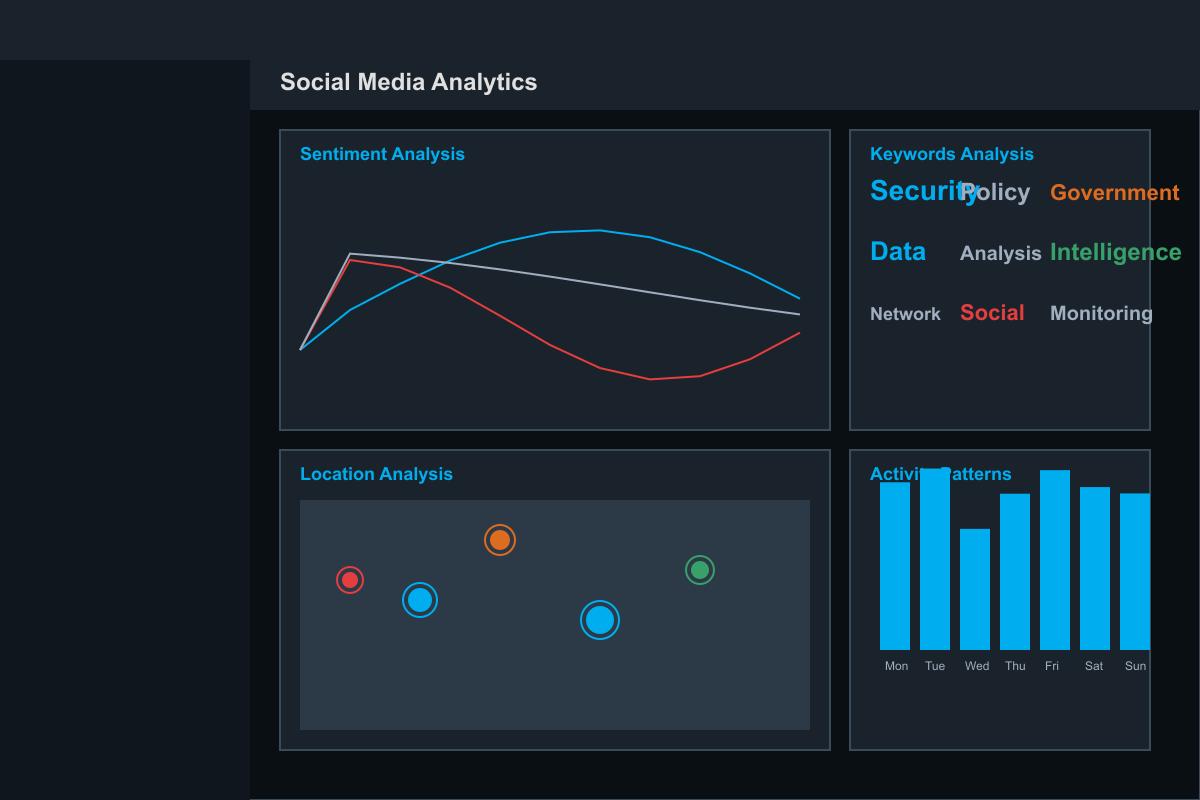
Geo Signal Fusion moves the workflow from structural context into emerging events. It organizes live signal across geography, entities, and event activity so analysts can see what is taking shape while it is still forming.
View projectActive Research
Low-altitude aerial risk awareness for uncertain operating environments.
View projectIn Development
LumenDyne takes the people surfaced by event and actor detection and works the human layer. It analyzes incentives, decision patterns, likely responses, and relational context around specific individuals.
View projectLive Intelligence
Founder
J. Ryan Kersey
Intelligence systems that surface structural risk, identify actors within emerging events, and deliver decision support before consequences harden.
Defense | Federal | Enterprise
Contact
General
For partnerships, advisory conversations, and general firm inquiries.
hello@secondorderdynamics.comSignal Intake
For emerging events, watch items, and situations that need an early structural read.
intel@secondorderdynamics.com